
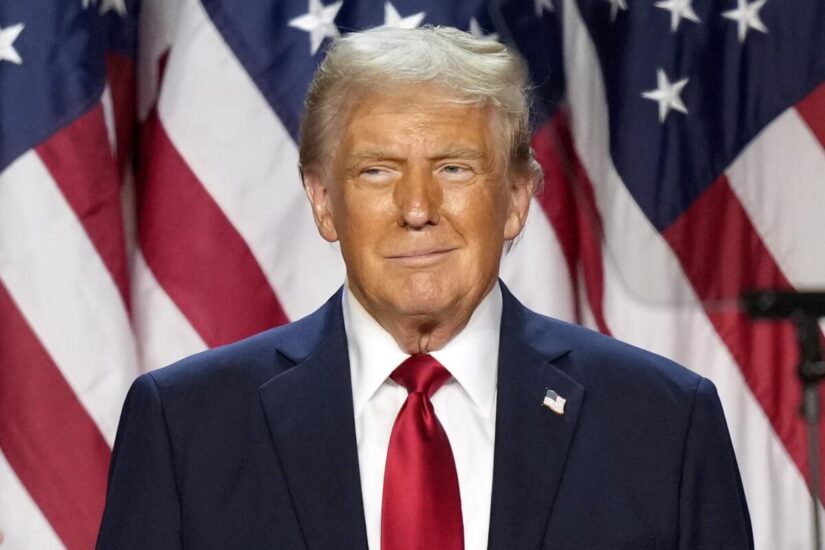
Since the inauguration ceremony of President Donald Trump, the USA has stricten the vetting process. On his first day in the President’s office, Trump issued an executive order titled “Protecting the United States from Foreign Terrorists and Other National Security Threats”.
The cabinet is expected to submit a report of countries from which the travel can be fully or partially suspended because of their “vetting and screening information is so deficient“. The report will be shared on March 12th.
TRUMP’S FIRST TERM TRAVEL BAN
During President’s first term, Trump has banned 7 Muslim countries: Iran, Iraq, Libya, Somalia, Sudan, Syria, and Yemen. Along with them, a ban was imposed on North Korea, Cuba, and Venezuela.
Later, President Joe Biden revoked the ban.
CURRENT SITUATION OF CITIZENS BANNED DURING FIRST TERM
The citizens of Libya having approved study visas are notified about visa cancellation through emails. They have been instructed to visit the US embassy in Tunisia, as the USA does not have an embassy in Libya. The students will go through further interviews.
Apart from this, the New Arab news reported that Libyans already in the USA have received visa cancellation emails. It results in nullifying their residency status effective immediately. If the USA authorities find any questionable activities or security concerns then individuals could face deportation.
Thus, it seems that Libya is already in the list of countries for whom a travel ban can be imposed.
TRAVEL BAN CATEGORIES
The US travel ban can introduce three different categories:
- The “RED List” – It could include all the previously banned countries with a possible addition of Pakistan and Afghanistan.
- The “Orange List” – Citizens of these countries will face a strict visa application process. Business visas could be issued to wealthier individuals. However, tourists and immigration purpose applicants could face stricter application processes.
- The “Yellow List” – the countries under this list will have 60 days to amend information sharing and security protocols. The failure to comply could result in partial or complete travel restrictions.
You can read more information from this website.